Designing for Zero Bars: Principles That Keep Work Moving

Offline-first succeeds when every interaction completes locally, persists immediately, and reconciles later without surprises. We’ll unpack durable storage layers, idempotent submissions, queued retries, and clear status indicators so technicians keep progressing, supervisors stay informed, and operations never stall because a windswept ridge or steel shell blocks the network.
Use an encrypted local database with append-only journaling, conflict-friendly record IDs, and fine-grained tables for media, signatures, and telemetry. Favor deterministic writes, lightweight indexes, and crash-safe commits, so power loss or app restarts cannot endanger evidence, timestamps, or critical safety acknowledgments.
Predict when and what to sync by tracking dependency graphs, last-seen watermarks, and field priorities. Transmit compact deltas, compressed media, and batched acknowledgments. Fall back to store-and-forward over Bluetooth or vehicle hubs when towers are distant, storms rage, or radios must remain silent.
Expose queued states, offline banners, and conflict badges that explain next steps in plain language. Offer save-as-draft, resume-later, and retry-with-context actions. Use progressive disclosure and forgiving validation so meaningful work continues, even inside masks, gloves, fog, or deafening machinery vibrations.

Safety Under Pressure: Interfaces Built for Hazardous Environments

Glove-friendly ergonomics

Design for gloved fingers with generous spacing, forgiving hit areas, and minimal precision demands. Support hardware buttons, quick edge gestures, and offline voice dictation with confirmations. Ensure feedback is perceivable through glare, dust, and respirator hum, sustaining pace without unsafe contortions or repeated taps.

Clarity in chaos

Use motion, color, and typography to highlight warnings, blockers, and required evidence. Provide single-screen summaries before submission to catch omissions. Build an unmistakable visual grammar so a fatigued responder can read status from peripheral vision while navigating scaffolds, catwalks, or unstable terrain.

Error-proofing when stakes are high

Constrain inputs with verified picklists, sensor-assisted autofill, and contextual defaults tied to location, asset, or shift. Prevent contradictory states and timestamp drift. When corrections are necessary, annotate clearly and preserve originals, because traceability beats speed if a regulator audits or an investigation begins.

Field Stories: Lessons from Mines, Rigs, and Firelines
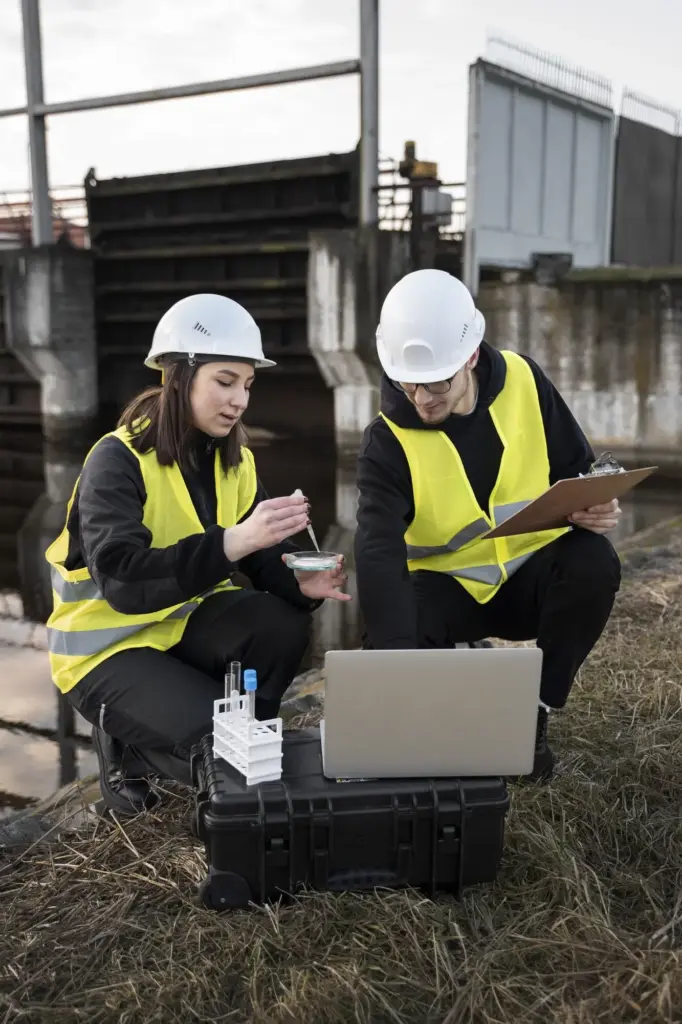
The mountain pass inspection

An inspector reaching a mountain pass lost coverage for hours, yet finished a complex geotechnical checklist with photos, annotated sketches, and GPS breadcrumbs cached locally. When the convoy descended, synchronization reconciled duplicates, preserved order, and generated alerts for anomalies, impressing headquarters and calming contractors.

Refinery midnight shutdown

An inspector reaching a mountain pass lost coverage for hours, yet finished a complex geotechnical checklist with photos, annotated sketches, and GPS breadcrumbs cached locally. When the convoy descended, synchronization reconciled duplicates, preserved order, and generated alerts for anomalies, impressing headquarters and calming contractors.

Wildland crew accountability

An inspector reaching a mountain pass lost coverage for hours, yet finished a complex geotechnical checklist with photos, annotated sketches, and GPS breadcrumbs cached locally. When the convoy descended, synchronization reconciled duplicates, preserved order, and generated alerts for anomalies, impressing headquarters and calming contractors.

Data Integrity and Security Without a Network

When connectivity vanishes, protections cannot. Strong encryption, verified identities, signed submissions, and tamper-evident change histories must operate completely on-device. Combine disciplined key management with minimal data retention so sensitive details remain shielded, while still enabling audits, chain-of-custody proofs, and responsible operational transparency.

Synchronization That Respects Reality

Synchronization is negotiation with reality. Links drop mid-transfer, clocks skew, and the same asset gets updated by multiple crews. Choose merge strategies the field can predict, prioritize safety-critical records, and surface human decisions only when essential, avoiding invisible data loss that erodes trust.

Conflict models that make sense

Favor domain-aware merges over blind last-writer-wins. For inspections, keep chronological order and annotate conflicts; for counts, apply additive models; for narratives, preserve both with provenance. Explain outcomes in plain language so crews understand why their entries changed and who confirmed reconciliation.

Bandwidth-aware scheduling

Detect bandwidth and battery constraints, pausing large media until charging or coverage improves. Order queues by urgency, proximity, and dependency, not naive timestamps. Employ exponential backoff with jitter, resumable uploads, and checksum verification to save scarce resources and prevent ghost duplicates after dropouts.

Rapid Authoring, Governance, and Adoption

Great tooling fades without governance and advocacy. Treat forms as living products with release cycles, rollbacks, and clear ownership. Invest in training, multilingual content, and shadow-mode pilots. Invite frontline feedback, measure completion quality, and celebrate saved minutes that compound into safer shifts.
Davolumazentozunozori
Privacy Overview

This website uses cookies so that we can provide you with the best user experience possible. Cookie information is stored in your browser and performs functions such as recognising you when you return to our website and helping our team to understand which sections of the website you find most interesting and useful.